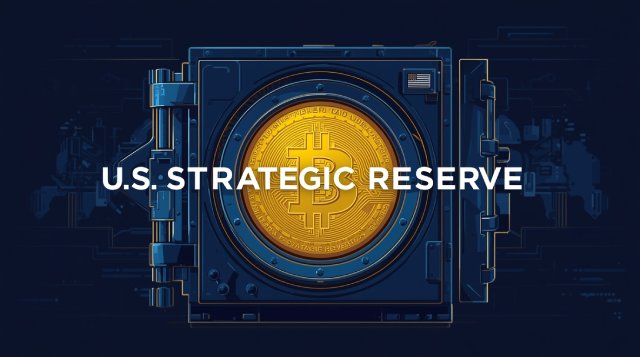

JUST IN: Prominent crypto advocate and “Crypto Czar” David Sacks has declared that Bitcoin is scarce, valuable, and strategic for the United States to hold as a long-term reserve asset. His statement underscores the growing sentiment among financial leaders that Bitcoin is not just a speculative investment but a cornerstone of future global economics.
Why the Bitcoin Long-Term Reserve Asset United States Debate Matters
The discussion around the Bitcoin Long-Term Reserve Asset United States perspective isn’t new, but Sacks’ remarks add fresh weight to it. He emphasizes that scarcity makes Bitcoin uniquely valuable, while its decentralized and secure nature positions it as a hedge against inflation, monetary manipulation, and geopolitical risks.
For the U.S., this could mean treating Bitcoin as more than an asset class—it could become part of national strategy. Much like gold has historically served as a reserve, Bitcoin’s finite supply of 21 million coins makes it a digital alternative for the 21st century.

The Strategic Importance of Bitcoin for the U.S.
According to Sacks, adopting a Bitcoin Long-Term Reserve Asset United States strategy would: Preserve financial dominance: Ensuring the U.S. leads in the digital currency race. Boost national security: Reducing dependence on traditional fiat systems vulnerable to inflationary pressures. Drive innovation: Encouraging blockchain and crypto adoption across industries. In an increasingly digital world, failing to integrate Bitcoin into the reserve system could mean falling behind nations already exploring central bank digital currencies (CBDCs) and Bitcoin-backed reserves.
The Future is Digital
Sacks’ closing remark—“The future is digital”—captures the essence of his message. The Bitcoin Long-Term Reserve Asset United States narrative aligns with broader global trends: nations adopting blockchain, institutions holding Bitcoin, and investors treating it as “digital gold.”
For the U.S., the question is no longer if Bitcoin should play a role, but how quickly it can be integrated into its long-term economic strategy.

Global Implications of Bitcoin as a Reserve Asset
If the Bitcoin Long-Term Reserve Asset United States vision becomes reality, it could set a precedent for other nations. Countries competing for financial security and innovation leadership may adopt Bitcoin as part of their reserves. This could reshape global monetary systems, reducing reliance on fiat currencies and creating a new era where digital assets underpin international trade and security.

Conclusion
David Sacks’ statement may prove to be a defining moment in the Bitcoin Long-Term Reserve Asset United States debate. If policymakers heed his advice, the U.S. could solidify its dominance in the digital financial era while safeguarding long-term economic stability.
🚀 Want real-time Bitcoin level alerts and crypto insights?
👉Don’t wait for governments to make the move—explore Bitcoin today, understand its role as a reserve asset, and position yourself for the digital future that’s already here!

